Contrast Therapy 101: Combining Heat, Cold, and Red Light Therapy for Faster Recovery
-
Share
Contrast therapy is the practice of alternating deliberate heat exposure with deliberate cold exposure in the same session, usually within a few minutes of each other. In a backyard setting, that often means moving from an infrared sauna or a hot tub into a cold plunge tub, then back again for two or three rounds. The physiology is straightforward. Heat widens the blood vessels near the skin, cold narrows them, and cycling between the two creates a pumping action through the circulatory system that many people describe as the fastest way to feel loose again after a hard workout or a long day.
The routine has moved from athletic training rooms to home wellness spaces, and Phoenix-area homeowners are now building their own versions in their backyards rather than paying for studio time. Here is how each piece works, what the research supports, and how to safely sequence a session.
Why Did Contrast Therapy Take Off?
Two things happened at once. Cold exposure gained a large public following through social media and fitness culture, and heat exposure gained credibility through long-running population research. The Mayo Clinic Proceedings review of sauna bathing drew on decades of Finnish cohort studies that have shown associations between frequent sauna use and lower cardiovascular and all-cause mortality. Those findings are observational and cannot establish cause, but they moved heat therapy into serious clinical conversation.
Recovery studios then packaged heat and cold together and charged monthly membership fees for access. Once homeowners priced out three years of studio visits and sharing with strangers compared to a permanent private backyard setup, the math and mental comfort started to favor ownership.
How Contrast Therapy Works (The Physiology)
The mechanism is vascular. Here is the sequence your body moves through during a single cycle:
- Heat exposure: Warm air or water raises skin and tissue temperatures, and blood vessels near the surface dilate to dissipate heat. Circulation to the extremities increases.
- Cold exposure: Cold water triggers the opposite response. Surface vessels narrow, blood shifts toward the core, and the sensation of soreness drops sharply.
- The return to heat: Vessels widen again, and the alternation produces a rhythmic flushing action through the tissue.
- Repetition: Most protocols run three to four cycles, and the finish depends on your goal. End on cold to reduce swelling, or end on heat if you plan to sleep soon after.
Study protocols vary widely, but the temperatures are fairly consistent. A systematic review of contrast therapy in Physical Therapy in Sport found general agreement on cold water at 50 to 59 degrees Fahrenheit and hot water at 100 to 104 degrees Fahrenheit.
Home Contrast Therapy Equipment Options
Each component contributes something different, and the evidence behind each one sits at a different level of confidence. Worth knowing before you invest.
-
Infrared Sauna
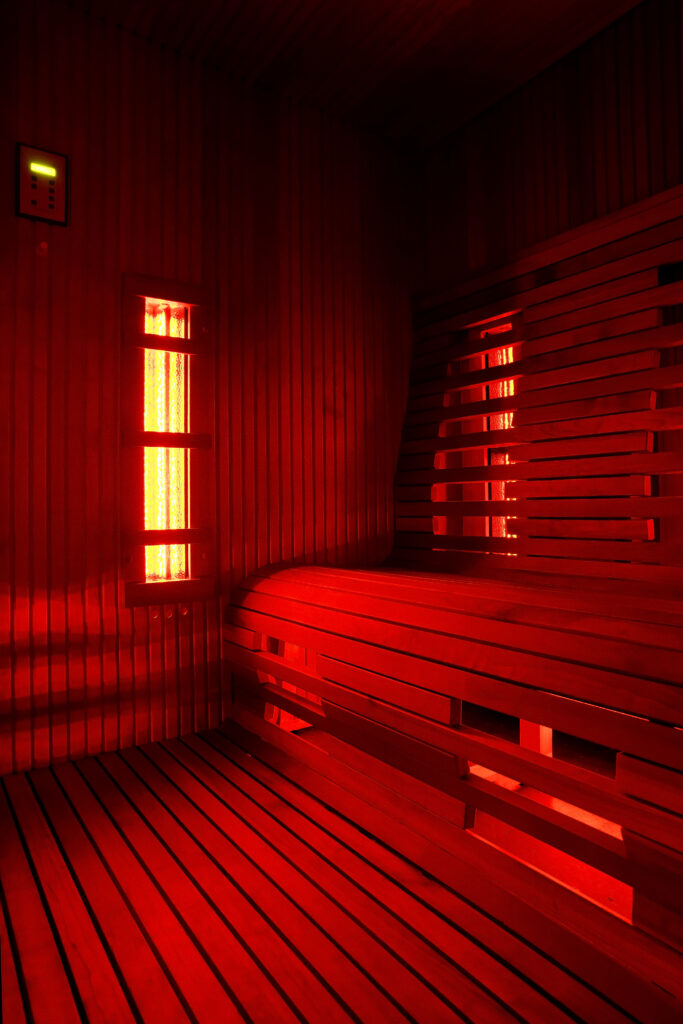
Infrared saunas heat the body directly rather than heating the surrounding air to Finnish sauna temperatures, which makes longer sessions more comfortable for most people. Heat exposure carries the deepest research base of any modality in a contrast setup, though the Mayo Clinic review focused on traditional Finnish saunas rather than infrared cabins specifically. Expect relaxation, a meaningful sweat, and a reliable way to reach the heat phase of a cycle without standing water. We carry both indoor infrared cabins and outdoor models, which you can browse on our sauna collection page.
-
Warm Water Hydrotherapy
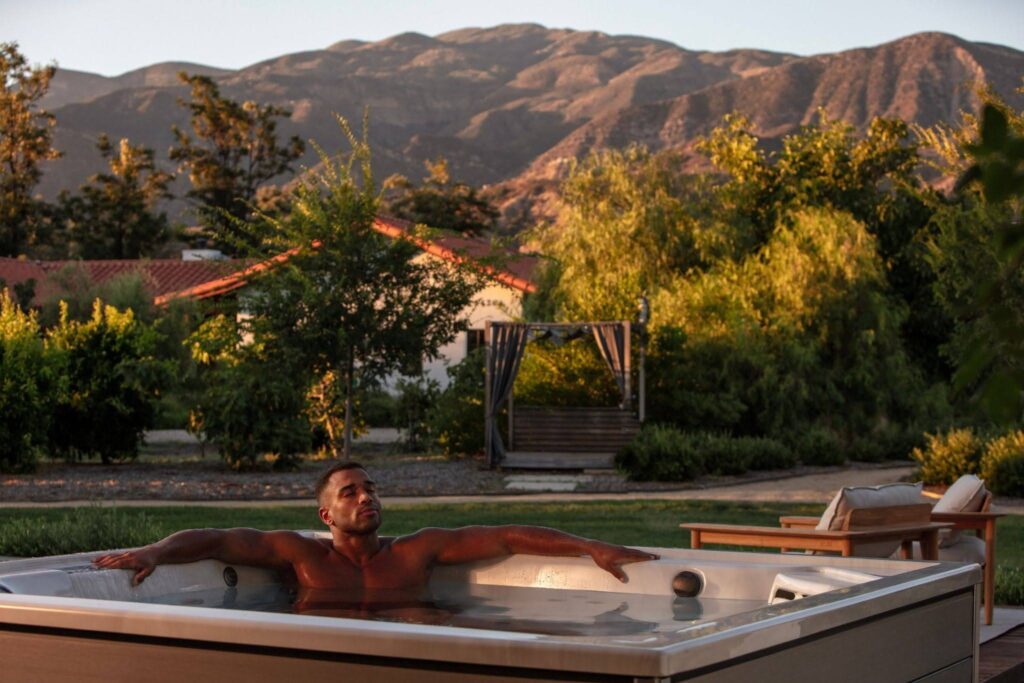
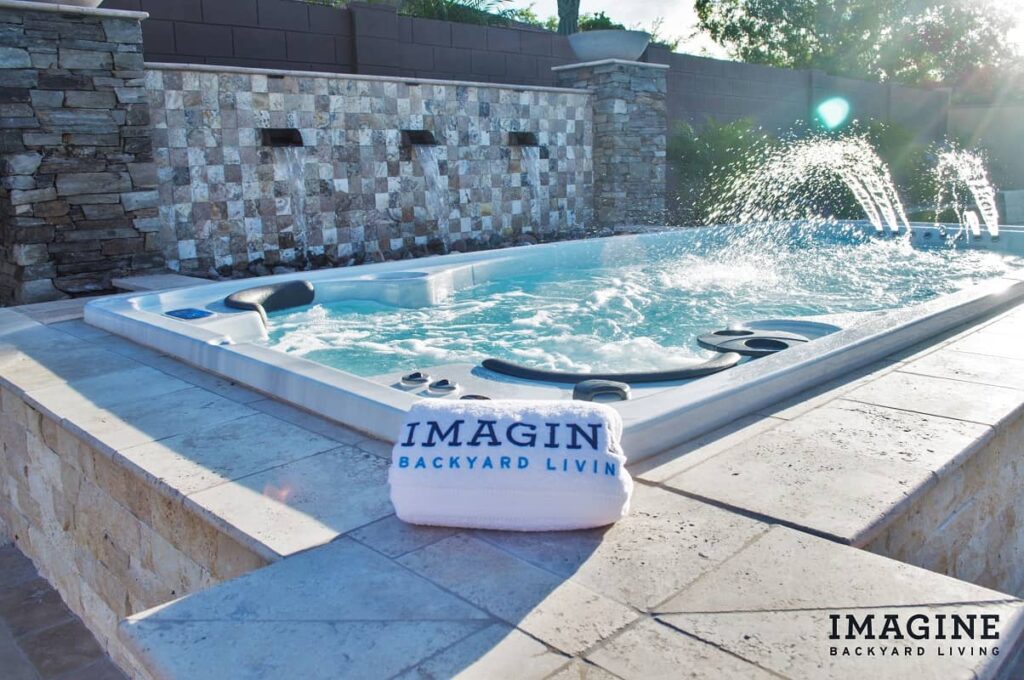
A hot tub or swim spa gives you heat plus buoyancy plus targeted jet pressure, which is a combination no other modality offers. Buoyancy takes load off the joints while warm water relaxes the surrounding muscle, and directed jets let you work a specific area, such as the lower back or the shoulders. For anyone managing stiffness rather than training soreness, this is usually the anchor purchase. Our Home Hydrotherapy Primer covers water temperature and session length in more detail.
-
Red Light Therapy
Red and near-infrared light applied to the skin has become a common spa feature. In the Jacuzzi J5, J4, and J-300 Collections, the FX-IR seat places twin infrared and red light sources low in the seat to target the lower back while you soak. Infrared and Red Light therapy work in harmony with hydrotherapy to soothe and rejuvenate beneath the surface and improve health and well-being. Our post on infrared and red light therapy in hot tubs explains how the seat is configured.
-
Cold Plunge
Cold water immersion has the strongest research support of the cold-side options. A systematic review and meta-analysis in the Journal of Strength and Conditioning Research examined both cold water immersion and contrast water therapy for recovery in team-sport athletes, and cold immersion performed better as a standalone intervention. Our post on 9 cold tub benefits breaks down the specific outcomes, and you can see current models on our cold plunge page.
One honest note on the combined protocol. That same Physical Therapy in Sport review concluded that evidence for contrast therapy as a recovery method remains insufficient, in part because study protocols differed widely in timing, ordering, and total duration, making a clear comparison difficult. Heat exposure and cold exposure each have stronger individual support than the specific practice of alternating them. That does not make the routine pointless, since people consistently report feeling better afterward, but the honest framing is promising rather than proven.
Oxygenated Water and Contrast Therapy
Oxygenated water systems are appearing in the wellness category and generating interest. The research is early and thin compared with heat and cold immersion, so we describe it as an emerging addition rather than a therapeutic one. If it appeals to you, treat it as a comfort feature.
Contrast Therapy Protocol & Temperatures
Start conservatively and build tolerance over several weeks. A reasonable first session looks like this:
- Hydrate and warm up: Drink water beforehand. Skip the session entirely if you have had alcohol.
- Heat, 10 to 15 minutes: Infrared sauna or hot tub at a comfortable setting. You should be sweating and relaxed, not lightheaded.
- Cold, 1 to 2 minutes: Enter the plunge slowly and breathe through the first 30 seconds, which is the hardest part. Keep the initial sessions short.
- Repeat two to three times: Move directly between the two with minimal delay.
- Finish and rest: End on cold for soreness and swelling, or on heat for evening wind-down. Sit for five minutes before driving or lifting anything heavy.
A common ratio among experienced users is three to four minutes of heat for every one minute of cold. Two or three sessions per week are plenty to start.
Building Contrast Therapy Into Your Scottsdale Backyard
Desert conditions change the calculation in your favor for one reason and against it for another. Year-round outdoor use is realistic here in a way it never is in colder climates, so a plunge tub and sauna installed on a covered patio stay usable in every month of the year. Summer heat is the constraint, since ambient temperatures above 105 degrees Fahrenheit make the heat phase harder to control and push cold-plunge chillers to work harder. Shade structures, an insulated cover, and a correctly sized chiller handle most of this.
Layout also affects whether you use the setup. The transfer between hot and cold should take a few steps on a non-slip surface, because a routine that requires walking across a hot deck to reach the plunge is a routine you will skip in July. We plan the sequence and the surfacing together during the design conversation.
Who Should Avoid Contrast Therapy?
Contrast therapy is not a substitute for medical treatment, and the temperature swings involved place demands on the cardiovascular system.
One Mayo Clinic Proceedings review noted that combining sauna heat with immediate cold water immersion carries a possibility of sudden hemodynamic changes and arrhythmia risk, particularly for people with unstable cardiovascular disease or a recent heart attack. That same review advised against sauna use during pregnancy, during an acute febrile illness, or after drinking alcohol. People with peripheral neuropathy, Raynaud’s, or reduced sensation in the extremities should also seek guidance, since impaired temperature sensing raises the risk of injury during cold immersion. Nobody should use a plunge tub or sauna alone during their first few sessions.
Frequently Asked Questions About Contrast Therapy
How long should a contrast therapy session last?
Most sessions run 30 to 45 minutes total across three or four cycles. Longer is not better, and the heat phase should never continue past the point of feeling faint.
Should I end on a hot note or a cold one?
End with cold when your goal is reducing soreness and swelling. End on heat when you want to relax and sleep well afterward.
Do I need both a sauna and a cold plunge to start?
No. Many homeowners begin with a hot tub they already own and add a plunge tub as the second piece. A spa and a plunge together give you a complete cycle, and a sauna can come later.
How cold does the plunge water need to be?
Research protocols generally use 50-59 degrees Fahrenheit. Beginners often start closer to 60 and work down as tolerance builds.
Try the Cycle Before You Build It
The fastest way to know whether contrast therapy suits you is to feel the difference in person. Our Scottsdale showroom keeps hot tubs, swim spas, saunas, and cold plunges on the floor, and our Wet Test service lets you get in the water before you commit to anything. We have towels and disposable swimsuits.
Schedule your free Wet Test, and we will map a hot-and-cold combination to your space, budget, and how you plan to use it.